What Happens When a Pet Photographer Truly Understands Your Dog
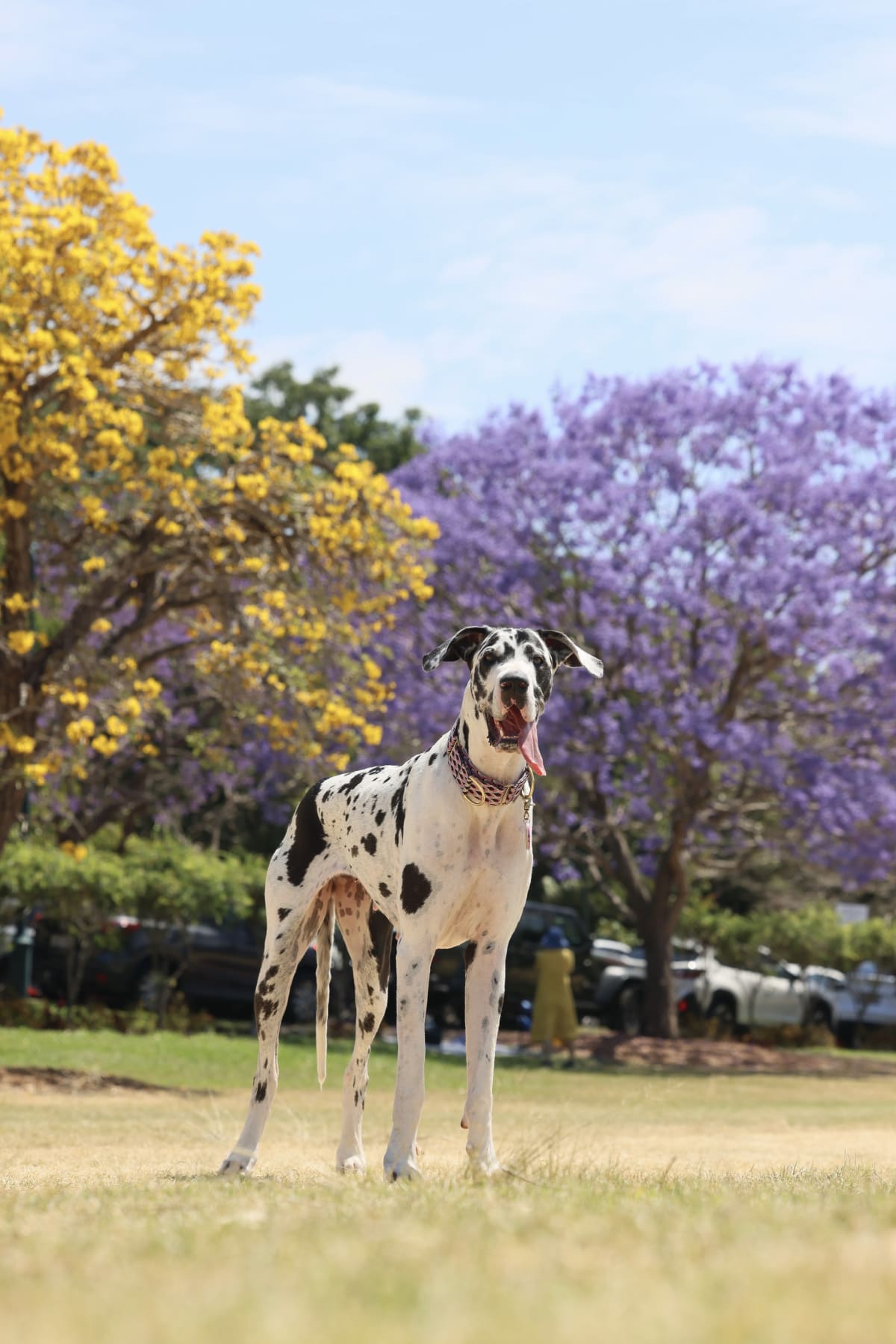
I built Snuggle Studio around one belief: your dog’s comfort comes before the camera. For anxious, rescue, or reactive dogs, that means sessions built around observation, choice, and trust. Not commands, forced eye contact, or performance.
If you’ve hesitated to book because you’re worried it will stress your dog, you’re not overthinking. You’re listening.
I’m running Misunderstood Dogs photo sessions for exactly this reason. Not every dog performs on cue, and they shouldn’t have to.
Why a “difficult” dog is often just sensitive
Many dogs described as anxious, reactive, or “hard work” are simply sensitive. They notice tone changes. They read body language. They respond to pressure, even quiet, well-meaning pressure.
I’ve watched it happen. A dog arrives curious, tail up, and within five minutes of being asked to sit-stay for a stranger, they’ve shut down. A stranger stepping into their space too quickly. Expectations that don’t match who they are that day.
The result isn’t just uncomfortable photos. It’s a dog who doesn’t feel heard.
Why rescue dogs may respond differently
Early experiences shape how a dog relates to strangers, new environments, and expectations. Some rescues learn that stillness equals safety, a protective withdrawal that looks like obedience but is actually a stress response. Others carry the opposite pattern: hypervigilance, reactive barking, an inability to settle when anything feels uncertain.
Neither response is a problem. Both are communication.
What rescue dogs need most in a photography session is time. Time to investigate, to understand that nothing bad is going to happen, and to move from toleration to genuine ease. When that shift happens, and I’ve seen it with dogs whose owners warned me it might never come, you see the dog their family fell in love with emerge.
What traditional pet photography gets wrong
Conventional pet photography borrows heavily from human portraiture: direct eye contact, attention on camera, hold still, smile. The problem is that sustained eye contact between unfamiliar individuals is a challenge signal in canine communication.
When a photographer crouches down, locks eyes, and holds a large dark object to their face while making excited noises, many dogs experience genuine discomfort. Some withdraw. Others escalate into anxious behaviours. The photographer calls this “uncooperative.” The dog is communicating that something feels wrong.
The alternative isn’t complicated. Slow down. Let the dog investigate. Break eye contact deliberately. Create space for natural moments rather than manufacturing posed ones. The goal isn’t performance. It’s creating conditions where the dog can be themselves.
What rescue dogs actually need from a photographer
Rescue histories are often complex, and sometimes unknown. What matters isn’t the label, but the approach.
Dogs who’ve had to adapt quickly in the past often scan new environments carefully, take longer to trust unfamiliar people, and need time before offering genuine connection.
A photographer who understands animals works with that reality, not against it.
Here’s how I approach it differently:
| Traditional Approach | Snuggle Studio Approach |
|---|---|
| Interaction before observation | Observation before interaction |
| Immediate closeness expected | Distance before closeness |
| Control and commands | Choice, not control |
| Goal: get the shot | Goal: let trust lead |
What makes these sessions different
I designed these sessions for dogs who don’t fit neatly into expectations. That means no requirement to sit still, no insistence on eye contact, and no disappointment if we need to pause or stop.
Sessions are calm, spacious, and flexible, whether we’re working outdoors at quiet locations around Melbourne or in a familiar setting. Your dog is not expected to perform. They’re allowed to exist.
Safe dogs make the best subjects, and the most honest photographs. When dogs feel safe, their bodies soften. Expressions become quieter. Posture becomes honest. The images start to feel like recognition, not instruction.
These photographs aren’t about obedience or polish. They’re about memory, presence, and truth.
What clients say
After Bundy’s session, his owner shared something that stayed with me:
He usually takes a bit longer to warm up to strangers, so I was pleasantly surprised to see that he absolutely loved you.
That moment wasn’t about charm or luck. It happened because nothing was rushed, no behaviour was demanded, and the dog set the tone.
When animals feel safe, they show you who they are.
Start a conversation about your dog
If you’ve ever hesitated to book a photographer because you were protecting your dog, you’re not overthinking. You’re listening.
I started the Misunderstood Dogs sessions for people who want their dog seen as an individual, not managed into a pose.
Every dog deserves to be seen. Tell me about yours
Frequently Asked Questions
What if my dog won't sit still?
That's fine. Many of the most meaningful images come from movement and curiosity, not stillness. A dog exploring their environment often produces more authentic, personality-filled photographs than a dog held in a sit-stay.
What if my dog is anxious around new people?
Introductions are slow and respectful. Distance is always an option. Trust is invited, never forced. Most anxious dogs begin to relax within the first fifteen to twenty minutes when given space on their own terms.
What if my dog barks, avoids me, or needs space?
That behaviour is communication, not a problem. Sessions are adapted around those needs, without judgement. Some of the strongest images come after a dog has decided in their own time that the situation is safe.
What if it doesn't work?
Ethical photography includes the option to stop. Your dog's wellbeing matters more than finishing a session, and that boundary is always honoured.
How much does a session for an anxious or reactive dog cost?
Sessions start from $195 for The Glimpse (30 minutes) and $495 for The Story Session (90 minutes). Every session is tailored to your dog's needs. Get in touch to discuss what would suit your dog best.
Where in Melbourne do you photograph anxious or reactive dogs?
Sessions can take place at quiet outdoor locations across Melbourne, chosen for low foot traffic and calm surroundings, or in a controlled studio setting. Location is always selected with your dog's comfort in mind.
You might also enjoy...

Dogs of Fitzroy: One Last Photoshoot on The Streets That Raised Them
A neighbourhood dog photography session in Fitzroy's inner north, and why some moments are worth capturing before they're gone.
8 Best Dog Photo Locations in Melbourne
Download our free guide to 8 Melbourne parks and foreshores for stunning dog photos.
Wind, White Fur, and Brass Hardware: Shooting for Arctic Mist
Two dogs, two shoots, one Sunshine Coast beach.