Is Your Pet Stressed? 7 Hidden Signs You're Missing (Part 1/3)
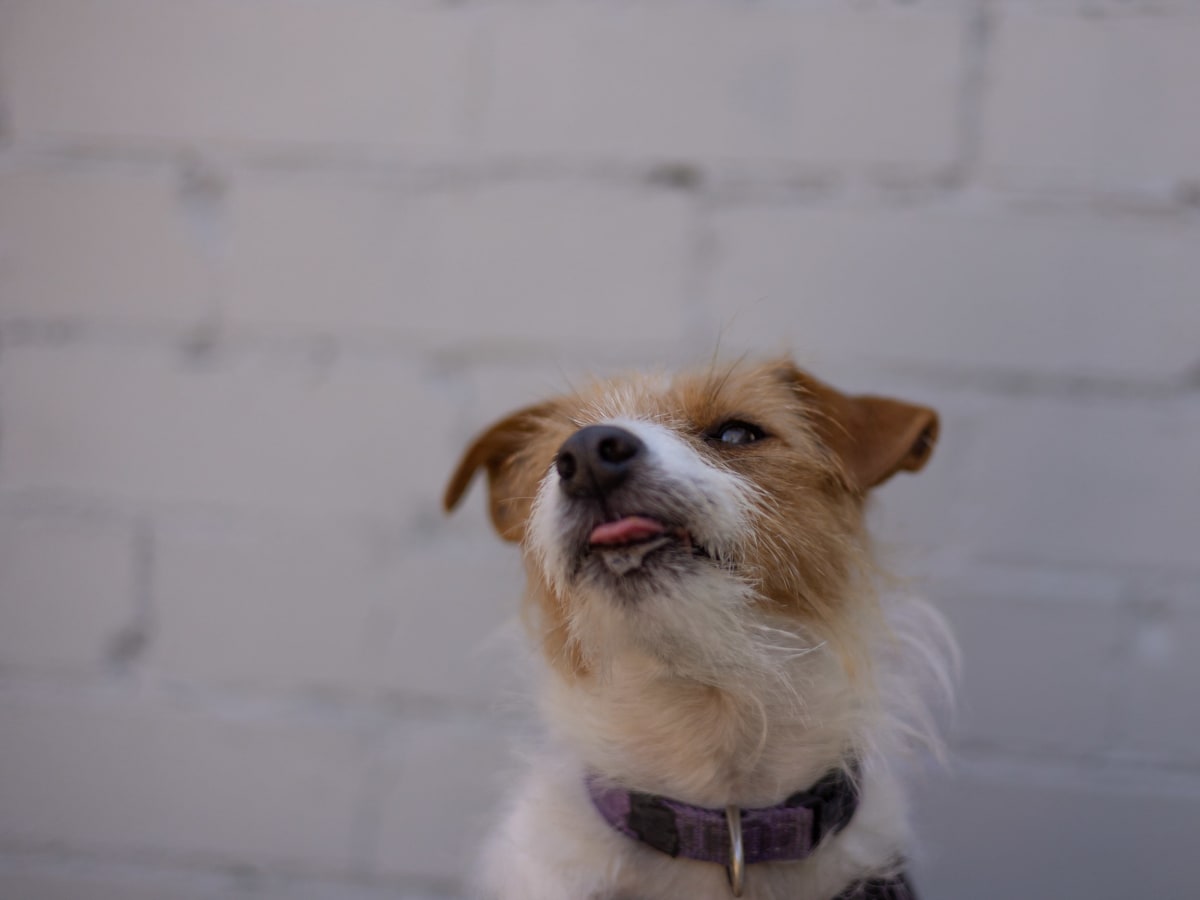
You notice everything about your cherished companion - the way their ears perk when they hear your key in the door, how they settle into their favourite sunny spot each afternoon, the particular tilt of their head when they’re genuinely listening. Yet stress in our beloved pets often manifests in ways so subtle, so easily dismissed as quirks or temporary changes, that even the most devoted pet parents can miss the early warning signs.
From resilient to overwhelmed
In Melbourne’s vibrant urban tapestry - where trams rumble past Federation-era terraces, construction reshapes neighbourhoods weekly, and our famously unpredictable weather keeps everyone guessing - our furry family members navigate an intricate web of stimuli that can gradually accumulate into genuine stress. This isn’t unique to Melbourne either - every city, town and even bushland has its particular set of stressors.
The challenge lies not in their resilience, which is often remarkable, but in our ability to recognise when that resilience is being quietly overwhelmed.
Our stress becomes their stress
Recent research from Linköping University revealed something quite extraordinary: stress levels between dogs and their owners actually synchronise over time, measured through cortisol concentrations in hair samples. This means your pet’s wellbeing is intimately connected to the rhythm of your life, the pressures of your days, and the particular stressors that Melbourne living brings to us all.
Understanding these hidden signs isn’t about becoming hypervigilant or questioning every small behavioural change. Rather, it’s about developing the kind of nuanced awareness that allows you to support your companion before stress becomes anxiety, before manageable becomes overwhelming.
Why stress hides in plain sight
Unlike humans, our pets cannot articulate the gradual buildup of tension, the low-level unease that accumulates from living in an environment filled with unpredictable sounds, changing routines, and sensory experiences beyond our own perception. Research from the University of Bristol found that 49% of dogs show fear responses to various noises, yet many of these reactions go unrecognised by their devoted families.
Melbourne’s unique challenges to pets
Melbourne presents unique challenges that other cities simply don’t offer. Our beloved tram network creates not just sound but ground vibrations that sensitive animals feel through their paw pads. Our position between ocean and hinterland means weather systems arrive with dramatic barometric pressure changes that pets sense hours before we notice the first cloud. Our, let’s call it ‘passionate’, embrace of construction and renovation means the acoustic landscape shifts continuously, requiring constant adaptation from creatures who find comfort in predictability.
Dr. Emily Blackwell’s comprehensive research at Bristol University revealed something particularly concerning: many pet parents significantly underestimate their companions’ stress responses, mistaking signs of distress for personality traits or temporary phases. The cost of this misunderstanding isn’t merely comfort - chronic stress in pets can lead to genuine health complications, behavioural changes that become entrenched, and a gradual erosion of the joy that makes the human-animal bond so precious.
The seven hidden signs: What your pet isn’t telling you
1. The subtle shift in eating habits
It might begin as simply as eating more slowly, or perhaps leaving a few pieces of kibble in the bowl - changes so minor you might attribute them to boredom with their food or the weather. Research from Pennsylvania State University shows that stress significantly alters eating patterns in pets, often beginning weeks before more obvious anxiety symptoms appear.
What to observe:
- Eating noticeably faster or slower than usual
- Increased food guarding or anxiety around meal times
- Sudden preferences for eating in different locations
- Changes in appetite that don’t correlate with activity levels or weather
The key lies in recognising patterns rather than isolated incidents. Your pet’s relationship with food reflects their sense of security, and subtle changes often signal that this security feels threatened.
2. Excessive grooming: When cleanliness becomes compulsion
Cats naturally spend considerable time grooming, and dogs certainly attend to their hygiene, but stress can transform normal behaviour into something compulsive. Dr. Karen Overall’s research at the University of Pennsylvania documented that repetitive behaviours often emerge as early stress responses, before more dramatic anxiety symptoms develop.
Watch for:
- Bald patches from over-grooming, particularly on legs or flanks
- Excessive paw licking, especially after quiet periods
- Grooming to the point of skin irritation
- Sudden increases in grooming frequency, particularly during specific times of day
This behaviour serves as a self-soothing mechanism, but when it becomes excessive, it indicates that your pet’s coping strategies are being overwhelmed.
3. Sleep disruption: When rest becomes elusive
Perhaps your usually settled sleeper has begun pacing at night, or your early riser now seems reluctant to leave their bed. Sleep patterns offer a window into your pet’s emotional state, as stress hormones directly impact their ability to achieve restorative rest.
Signs to notice:
- Restlessness during previously peaceful sleep periods
- Seeking different sleeping locations, often in more enclosed or elevated spaces
- Unusual sleep schedule changes not related to daylight or household routine
- Appearing tired despite adequate sleep opportunities
Sleep disruption often correlates with specific stressors - perhaps construction noise during the day creates hypervigilance that persists into evening, or changes in household routine have unsettled their sense of security.
4. Withdrawal from beloved activities
This might be the most heartbreaking sign - when your tennis ball enthusiast loses interest in fetch, or your window-watching cat no longer seeks their favourite perch. Research from the University of Helsinki showed that environmental stressors can significantly impact motivation and engagement in previously enthusiastic pets.
Subtle changes include:
- Reduced enthusiasm for walks, even to favourite destinations
- Less interest in interactive play or training sessions
- Avoiding previously enjoyed activities during specific times (perhaps when traffic is heaviest)
- Generally diminished curiosity about their environment
This withdrawal represents your pet’s attempt to conserve emotional energy, but it also reduces the positive experiences that help build resilience against stress.
5. Attachment changes: When independence becomes clinginess (or vice versa)
Melbourne pet owners often notice this first during our dramatic weather changes - suddenly their independent cat becomes a shadow, or their usually social dog seeks solitude.
Studies from the University of California, Davis, found that attachment behaviours often shift in response to environmental uncertainty.
Patterns to observe:
- Previously independent pets seeking constant proximity
- Alternatively, social pets becoming withdrawn or hiding
- Changes in greeting behaviour when you return home
- Altered responses to departure routines
These changes reflect your pet’s assessment of environmental predictability - when their world feels uncertain, their relationship with you becomes either a refuge or something they feel they must protect by withdrawal.
6. Digestive disruption: The gut-stress connection
The connection between emotional state and digestive health is well-documented in both human and veterinary medicine. Stress hormones directly impact digestion, and many Melbourne pet parents notice subtle changes that they initially attribute to dietary factors or seasonal changes.
Indicators include:
- Changes in bowel movement frequency or consistency
- Increased gas or stomach gurgling
- Occasional vomiting without apparent dietary cause
- Changes in water consumption patterns
These symptoms often correlate with specific stressors - perhaps your pet’s digestion becomes unsettled on days when construction noise is particularly intense, or during periods of household disruption.
7. The language of subtle body signals
This requires the most nuanced observation - the slight tension in posture, the subtle changes in tail carriage, the almost imperceptible shift in how they hold their ears. Research from Tufts University emphasises that early stress signals often appear in body language weeks before behavioural changes become obvious.
Refined observations:
- Slight changes in ear position during previously comfortable situations
- Tail position that’s marginally lower or higher than usual
- Subtle tension in facial muscles, particularly around the eyes
- Changes in breathing patterns during rest periods
These micro-expressions represent your pet’s unconscious responses to stress and often provide the earliest indication that their comfort level is shifting.
Your gentle observation practice
The weekly check-in ritual
Establish a quiet weekly assessment - perhaps Sunday mornings when Melbourne’s pace (alongside your own) naturally slows. During these moments of connection, observe your pet’s overall demeanour, energy levels, and engagement with their environment. This isn’t about clinical examination but rather deepening your awareness of their current emotional landscape.
Simple documentation:
- Note any patterns that correlate with specific days, weather conditions, or household events
- Consider whether changes might relate to Melbourne’s unique rhythms - construction schedules, tram maintenance, seasonal events
- Trust your intuition whilst supporting it with gentle observation
Distinguishing concern from normal variation
Every pet experiences temporary shifts in behaviour, energy, and appetite. The key lies in recognising patterns versus isolated incidents, and understanding the difference between adaptive responses and signs of genuine distress.
When to feel reassured:
- Changes that correlate clearly with temporary circumstances (hot weather, household guests, minor routine disruptions)
- Variations that resolve quickly once circumstances return to normal
- Behaviour that, while different, doesn’t seem to cause your pet distress
When to pay closer attention:
- Multiple signs appearing simultaneously
- Changes that persist despite circumstances returning to normal
- Any behaviour that seems to cause your pet distress or discomfort
- Patterns that correlate with specific environmental triggers
Gentle interventions you can try today
Creating micro-sanctuaries
Even in Melbourne’s smallest living spaces, you can establish small areas where your pet has complete control over their environment. This might be a covered cat bed in the quietest corner, or a comfortable crate positioned away from street-facing windows.
The challenge for you (and your family) lies in respecting this as your pet’s safe-haven - somewhere they can go to get away from the chaos of the house or stressors of the outside world.
The key is consistency - this space belongs entirely to them!
Routine rhythms that soothe
In a city where construction schedules change weekly and weather shifts dramatically, the routines you create become particularly precious. Consistent meal times (as much as feasible), regular short walks, and predictable evening rituals provide anchors of certainty in an uncertain world.
It truly is the little things - walks don’t need to be long. Think about how you felt during Melbourne’s endless lockdowns. I for one greatly enjoyed my short outings and found comfort in routines.
Environmental enrichment that reduces stress
Consider how you might help your pet engage positively with their environment rather than simply enduring it. This might mean puzzle feeders that provide mental stimulation during construction-heavy periods, or creating elevated observation posts where they can watch street activity from a position of safety.
Positive mental exercise is just as important as physical movement - whether your pet is the couch-dwelling or zoomies in the park type.
Knowing when professional insight becomes invaluable
Melbourne’s veterinary behavioural community includes professionals who understand both the science of animal stress and the particular challenges of urban pet ownership. Consider professional consultation when patterns of stress signs persist despite environmental modifications, when multiple signs appear simultaneously, or when your own intuition suggests your pet’s distress is beyond what home management can address.
The goal isn’t perfection - it’s about recognising when your beloved companion might benefit from professional expertise in understanding and managing their stress responses.
Your pet’s wellbeing journey begins with recognition
Understanding these hidden signs doesn’t mean viewing your pet through a lens of constant concern, but rather developing the kind of refined awareness that allows you to support them before small stresses accumulate into larger challenges. Your attention to these subtle changes represents one of the most profound expressions of the bond you share - the willingness to see beyond the obvious, to notice what others might miss, to respond with both heart and mind to your pet’s unspoken needs.
In Melbourne’s complex urban environment, this awareness becomes particularly precious. Your pet navigates stimuli that would overwhelm many humans, yet they do so with remarkable grace. Recognising the early signs of stress allows you to support that grace, to help them not merely survive but genuinely thrive in our wonderful, challenging city.
Remember: You know your pet better than anyone. Trust your observations, honour your intuition, and know that seeking to understand their stress signals is an act of profound love. Their wellbeing matters not just for their sake, but for the depth and joy of the relationship you share - a bond that, when nurtured with awareness and care, enriches both your lives immeasurably.
What’s next
The next chapter in your pet’s story can be one of greater understanding, deeper connection, and more effective support. It begins with the recognition that you’ve just developed - the awareness that stress often speaks in whispers before it ever has to shout.
Important Notice
The insights shared in this guide stem from my passionate research into animal behaviour and wellbeing, not professional veterinary or behavioural training. Whilst I’ve endeavoured to present evidence-based information from respected sources, I am neither a veterinarian nor a certified animal behaviourist.
The observations and suggestions offered here are intended to deepen your understanding of your beloved companion, not replace professional expertise. If you notice persistent signs of distress in your pet, or if their behaviour concerns you, please consult with a qualified veterinary professional or certified animal behaviourist who can provide personalised assessment and guidance.
Your pet’s wellbeing deserves the very best care, and sometimes that means seeking the trained eye of those whose life’s work is understanding and healing our animal companions.
Frequently Asked Questions
How can I tell if my pet is stressed?
Look for subtle changes in eating habits, excessive grooming, sleep disruption, withdrawal from activities, attachment changes, digestive issues, and body language shifts. Patterns matter more than isolated incidents.
Do pets pick up on their owner's stress?
Yes. Research from Linköping University found that stress levels between dogs and their owners actually synchronise over time, measured through cortisol concentrations in hair samples.
When should I see a vet about my pet's stress?
Seek professional help when multiple signs appear simultaneously, changes persist despite circumstances returning to normal, behaviour causes your pet distress or discomfort, or patterns correlate with specific environmental triggers.
You might also enjoy...

Building Lasting Calm: Your Pet's Journey to Nervous System Resilience (Part 3/3)
The final part of our pet anxiety series - an 8-week roadmap for building nervous system resilience, covering sound therapy, therapeutic touch, daily regulation rituals, and Melbourne specialist resources.

The Silent Language of Distress: Recognising and Soothing Your Pet's Anxiety (Part 2/3)
Dive deeper into Melbourne-specific anxiety triggers, the science of cortisol responses, and evidence-based comfort strategies you can implement immediately.

EFT Tapping for Pets: How It Helps Anxious Dogs (and Their People)
EFT tapping for anxious dogs: a practical guide to calming your pet through surrogate tapping.