What Animals Taught Me About Culture and Compassion While Travelling
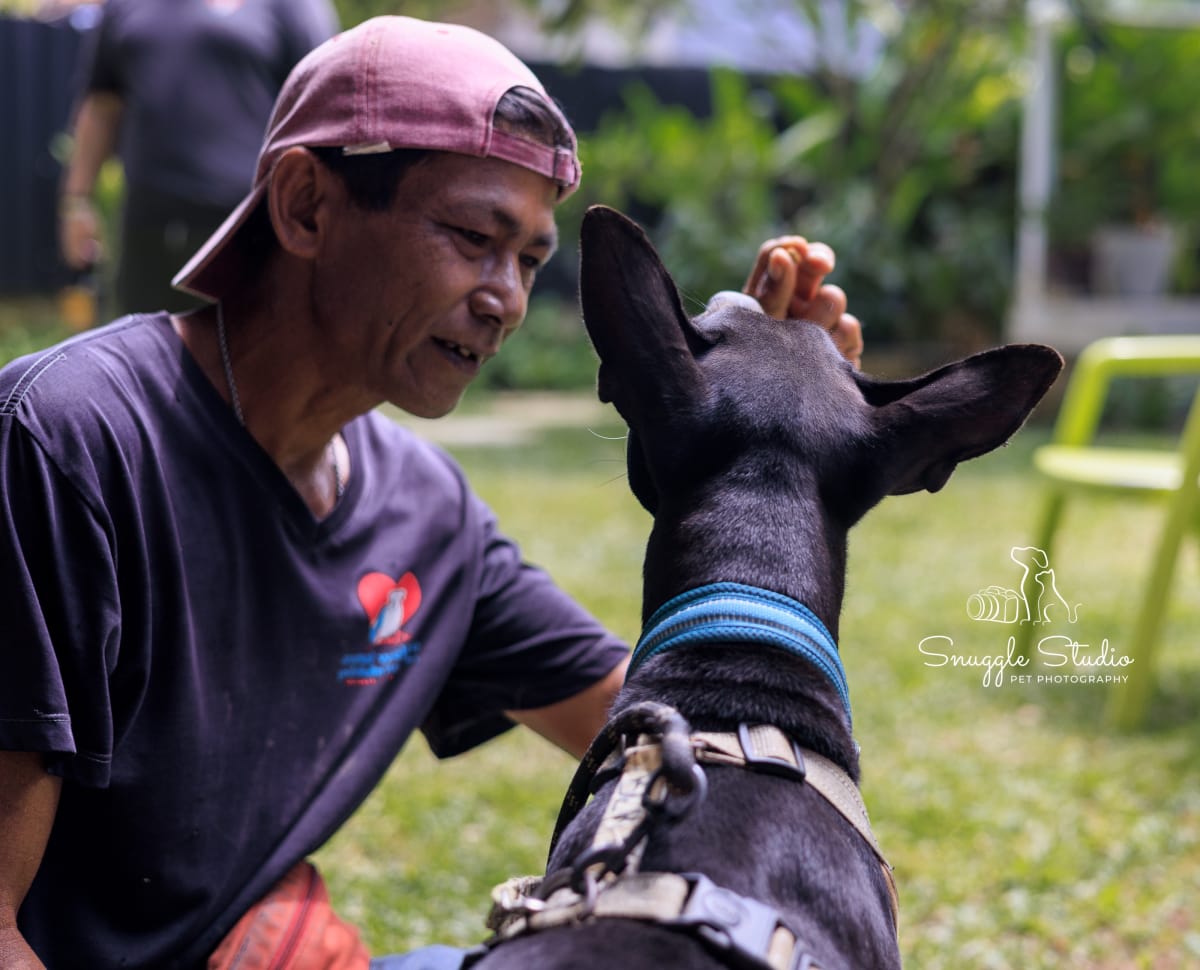
How does culture impact the way we treat animals?
Everywhere I travel, animals are the quiet teachers. While they don’t speak the same language, they reveal so much about the cultures I walk through. From the values people hold, the way compassion is expressed, to how faith and heritage take form in everyday life. I realised that the dogs I met on beaches, the cats roaming marketplaces, or the carefully bred puppies among the rolling hillside each carry lessons about belonging and care.
Thailand - Lessons from the Islands
On the island of Koh Lanta, I stumbled upon Lanta Animal Welfare, a small sanctuary founded in 2005 that has since treated tens of thousands of animals. Their work is not just about rescuing and sterilising cats and dogs, it is about embedding compassion into the very fabric of the community. Mobile clinics reach surrounding islands, children are encouraged to bring family pets for treatment, and the ethos of care carries on the island’s Buddhist culture.
Religious and cultural influences
In Thailand, around 95% of people identify as Buddhist. Within this faith, feeding or protecting stray animals is actually seen as an act of merit-making - a way to cultivate loving-kindness and accrue good karma. This belief has inspired countless acts of generosity, but also contributes to large stray populations. Humane organisations like Lanta Animal Welfare and the Soi Dog Foundation have stepped in, with Soi Dog alone sterilising and vaccinating more than 1.17 million cats and dogs across the country. In Phuket, their efforts have reduced stray numbers by nearly 90% in two decades.
Sounds great right. Only then I discovered that compassion takes different forms in different places. On Phi Phi, a largely Muslim island community, I noticed fewer dogs and more cats roaming quietly at the edges of daily life. In Islam, dogs are often viewed with ambivalence: they may be seen as unclean, yet also valued as protectors or working animals. Cats, by contrast, hold a more favourable place in Islamic tradition, linked to purity and respect. What I saw on Phi Phi reflected this - fewer dogs integrated into the community, but cats finding acceptance in courtyards and shopfronts.
These subtle contrasts taught me that culture and religion don’t simply dictate how animals live, they shape their very visibility, their place in either the margins or the centre of our lives.
Switzerland - Heritage and Intention
In Switzerland, the conversation felt entirely different. I was love-bombed by a litter of Finnish Lapphund puppies, each carefully bred with intention and reverence for heritage. The Finnish Lapphund dogs trace their lineage to the Sami people of Lapland, where they once herded reindeer in icy landscapes. Now they are celebrated as more than companions; they carry forward a legacy, living reminders of endurance, belonging, and tradition.
After Thailand, the absence of street animals suddenly stood out. Breeding is deliberate, highly regulated, and deeply tied to heritage. It is not “better” or “worse” than what I saw in Thailand, just another reflection of how culture frames our relationship with animals. In one place, compassion may be about feeding and sheltering strays; in another, it is about preserving legacy and bloodlines. Both reveal care, though expressed in different ways.
Melbourne - A Mirror at Home
Back home in Melbourne, I see these lessons reflected all around me. Ours is a city where animals are deeply woven into daily life: 69% of Australian households share their homes with pets, with dogs the most common companions. Our welfare structures are strong - organisations like the RSPCA and local councils work tirelessly to safeguard animals’ wellbeing. Yet even here, challenges remain. Rescues are overflowing, adoption centres stretch their resources, and cultural diversity means that pet ownership practices vary widely between communities.
In my own work as a pet photographer, I notice these stories quietly unfold. A portrait of a dog in Carlton Gardens isn’t just an image of soft ears and curious eyes - it is a testament to the place this companion holds in someone’s family, the way they reflect love, culture, and care.
Final Thoughts
Travelling showed me that animals are mirrors. In Koh Lanta, respect for animals developed from the Buddhist principles of kindness. On Phi Phi, the greater presence of cats reflected Muslim traditions. In Switzerland, heritage breeds told stories of intention and continuity. And here in Melbourne, the dogs I photograph carry the mark of our own cultural values - love, responsibility, and at times, the weight of rescue and second chances.
The lesson is simple but profound: how we treat animals reflects who we are, and vice versa. Travel sharpens this insight, but it matters just as much at home.
If you’d love to celebrate your own companion in a way that honours their unique spirit, I would be delighted to create that with you - a photo portrait that isn’t just an image, but a reflection of the bond you share.
You might also enjoy...

The Art of Hygge: Creating Sacred Spaces of Comfort for You and Your Beloved Pets
Drawing on my Danish-Swiss upbringing, exploring how pets are natural masters of hygge and how to create cosy spaces for dogs and cats during Melbourne winters.

EFT Tapping for Pets: How It Helps Anxious Dogs (and Their People)
EFT tapping for anxious dogs: a practical guide to calming your pet through surrogate tapping.

The Truth About 5 Misunderstood Dog Breeds
Are Staffies, Rottweilers, and German Shepherds really dangerous?